
The Art of the Explorers
- drawhoorah
- Apr 2
- 3 min read
The Vikings travelled far and brought their expeditions home with them by way of bloody conquests. Marco Polo ushered in a new kind of travel with the development of commerce and trade to Asia via the Silk Road. Although commerce and trade with the merchants and kingdoms of Europe wasn’t any less bloody, Marco Polo made travel and commerce appear more civilized, romantic and incredibly lucrative when he published his book, Marco Polo’s Book of Travels in the 13th century.
Polo’s book inspired European nations to expand their horizons and they began to explore the unknown world in search of more untapped riches. Sponsored by European royalty, ships set sail across the Atlantic and Pacific oceans starting with Christopher Columbus in 1492.
Travelling artists joined the crew as cartographers but also to create an objective pictorial and written record of the peoples, animals, flora and fauna in the new world. However, despite the artists declaring they were on diplomatic and scientific missions and honouring accuracy, they were deeply influenced by colonial propaganda and western prejudices.
Sketches and paintings were often started in foreign lands but completed at home with distorted memories. When the artists returned home to make money by publishing and selling their art, the public was fascinated and devoured their overly romanticised depictions of exotic places. This encouraged the artists to not bother focusing on accuracy and it encouraged the local population to travel which helped expand the empires.
British Artists were employed by the Admiralty and Marine Affairs office for their voyages and being a ship artist was an adventurous and risky business. The most famous of the artist explorers was William Hodges. He started his art career painting theatrical scenery. He ended up as a ship artist and shop keeper aboard Captain Cook’s second expedition to the South Pacific in 1772. Critics didn’t like his work upon his return home. They felt it looked rough and unfinished. As a result, Hodges couldn’t make a return on his investment, ended up quitting his life as an artist and became a banker. When that also failed, he took his own life. Despite Hodges bad luck and sad end, historians agree that he produced important documentation of the places and people Cook visited even if not entirely accurate.
John Webber was commissioned for Cook’s third voyage in 1776. He produced illustrations of the Arctic and the pacific West Coast including Nootka Sound on Vancouver Island. He was the first western artist to visit Hawaii and also famously painted Captain Cook’s death based on eyewitness accounts from his fellow shipmates.
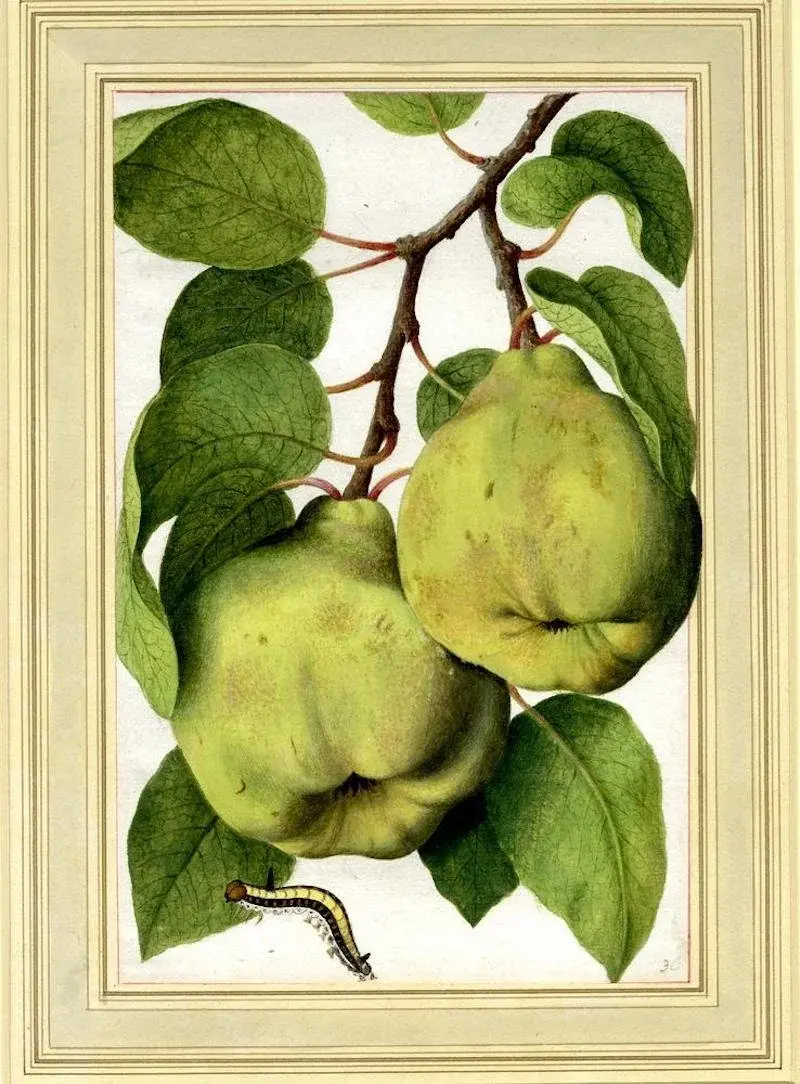
Jacques Le Mogue de Morgues was commissioned by the French Monarch. He was both the ship cartographer and artist on John Ribault’s expedition to North Florida in 1562. The expedition itself to establish a French settlement in Florida was a complete failure but de Morgues produced some of the most beautiful botanical gouaches of native plants and cultures with such scientific accuracy that he inspired a different kind of ship artist.
That artist was Charles Darwin. Charles Darwin was a skilful scientific illustrator and adventurer. He was commissioned as an artist and scientist aboard the HMS Beagle in 1831-1836. The Beagle explored South America and the Galapagos Islands. This allowed Darwin to collect thousands of specimens of plants, insects, and animals from a remote and isolated area of the world. His profoundly accurate and detailed illustrations lead to the scientific Theory of Evolution.
Science ushered in a new era of truth. When photography and the first photo-journalist, Mathew Brady, emerged during the US civil war in the mid 1800’s, artists were no longer required to help document expeditions. Their delicate and romantic visuals were soon replaced by the cold hard facts that only photography could bring.
If you are interested in looking at art from artist explorers in real time you can view Darwin’s specimen collection at the Natural History Museum in London. You can visit de Morgues' beautiful botanicals at the Victoria and Albert Museum in London. Hodges and Webbers exploration art from the voyages of Captain Cook lives at the National Maritime Museum in Greenwich, London. Marco Polo’s Book of Travels, the book that started it all, was recently on display in Hong Kong Christmas 2024 for Marco Polo’s 700th birthday but that show has since concluded.


Comments